Intuitive art
Describes how you create: following colour, feeling and emerging marks. It does not require a spiritual belief or a message.
Colour. Curiosity. Creative freedom.
Let the next mark lead you somewhere unexpected.
Intuitive art is a way of creating by responding to colour, feeling and the marks as they appear, rather than following a fully planned picture. You begin, notice what happens, and let the work develop.
Explore the next live eventA different way to begin
You don't have to know what you're going to paint before you start. You might pick a colour you like, put it on the paper and see what you feel like adding next. Perhaps you draw a line or notice that a shape looks a bit like something. You can go with it, change it or try something else.
You don't need to be good at drawing to give it a go, and there's nothing mysterious you need to understand. You're still choosing what you like and what you want to do next. You can use pencils, paint, pastels, bits of paper for collage or draw on a tablet or computer.
A small mark or a colour is enough to get started.
Notice what the work is suggesting, rather than forcing a result.
You can pause, make choices and let the picture take another direction.
An intuitive artwork might stay abstract or grow into something recognisable. There is no single look it needs to have.

A sweep of colour can be a beginning, rather than something you have to explain.

Lines overlap, rhythms change, and the next mark responds to the one before it.

Sometimes an unexpected shape suggests a flower, a landscape or a figure.
Original AI-generated illustrations created for this guide, not reproductions of historical artworks or paintings made by Anne-Marie during a live event.
A little historical context
“Intuitive art” is a broad description of a creative process, not one formal art movement with a single founder. Artists have explored feeling, inner experience and spontaneous marks in different ways. These are a few historical parallels, not a single origin story.
Early 1900s
Wassily Kandinsky explored the relationship between colour, form and spiritual ideas. His book On the Spiritual in Art, associated with 1911–12, is one example of an artist looking beyond a literal picture of the visible world.
Guggenheim: On the Spiritual in Art1924
In André Masson's Automatic Drawing, the artist began without a preconceived subject or composition. He drew quickly, then sometimes developed images he noticed in the marks. Spontaneity and conscious decisions could work together.
MoMA: André Masson, Automatic DrawingSurrealism
Surrealist automatism aimed to make work without conscious control, as a way of exploring the unconscious. It had its own historical aims. Today's intuitive painting does not have to follow that method or share those beliefs.
Tate: AutomatismThese connections do not mean that all abstract art is intuitive, or that all intuitive work is spiritual. Each artist and movement has its own context.
Describes how you create: following colour, feeling and emerging marks. It does not require a spiritual belief or a message.
Describes how a work looks: forms, colours and marks rather than an accurate depiction of the visible world. It may be planned or spontaneous.
In Anne-Marie's practice, this has a mediumistic intention: working with impressions she associates with a person in Spirit. It is not simply another name for intuitive painting.
An easy place to start
Take a sheet of paper and a pencil, or two colours you enjoy. Set aside a few quiet minutes. There is no need to make something impressive.
Try a line, a wash of colour or a small shape. Let that be enough for now.
Look at the space around it. Do you want to repeat it, soften it or add a different colour?
Add the next mark because it feels interesting, not because the picture must become something.
Turn the paper around if you like. Follow a suggested form, or leave it as marks. Either is fine.
You may enjoy discovering unexpected colour combinations or practising a less judgemental way of looking at your work. This is a creative exercise, not a promise of healing or a substitute for professional care.
Explore the Trance Art Expression course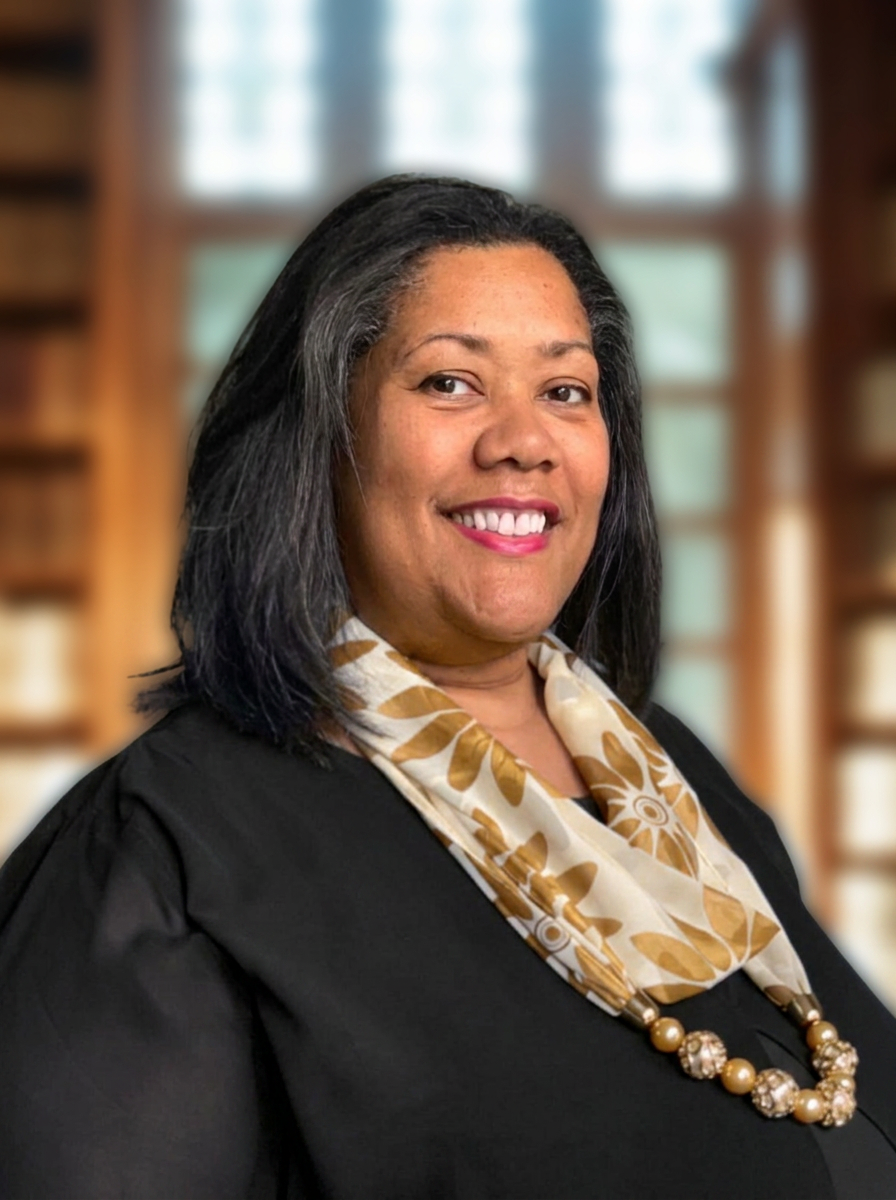
Experience the work with Anne-Marie Bond
Join Anne-Marie online for a live painting demonstration that brings together her intuitive, psychic and Spirit Art practice. Watch how an image unfolds, without expecting a fixed outcome.
Saturday 19 December 2026
4:00 – 5:30pm UK · Online via Zoom
£25 per ticket
See the event page for current availability and booking details.
View the live eventAn individual message or painting is not guaranteed for every attendee.
No. You can begin with colour, simple lines and shapes. You do not need a convincing portrait or a finished picture. Drawing skills can still be useful, but they are not an entry requirement for exploring this way of making.
No. Intuitive describes the process; abstract describes the appearance. Marks might remain abstract, or suggest a flower, figure or landscape that you choose to develop.
Not necessarily. You can make intuitive art without mediumship or any spiritual belief. In Anne-Marie's work, intuitive painting may overlap with psychic or Spirit Art, which she explains separately on the What is Spirit Art page.
Yes. A pencil and ordinary paper are enough to begin. Charcoal, pastels, collage, watercolour and digital drawing can also be explored. Choose a material you feel comfortable using.
Of course. You might choose your materials or a colour palette first, and make thoughtful changes later. Working intuitively does not mean you must stop thinking or never edit. It means leaving room for the next mark to surprise you.
No. An image might feel personally meaningful, or simply be an enjoyable exploration of marks and colour. Neither an individual message nor a particular result is guaranteed at Anne-Marie's live event.
These pages still require your existing invitation, booking details or student password.